Your smile depends on two things: healthy teeth and healthy gums. Many people
focus only on their teeth, worrying about cavities. They often ignore the health of
their gums. Your gums are the foundation for your teeth. When this foundation is
unhealthy, your entire smile is at risk.
The primary threat to your gums is dental plaque. Plaque buildup leads to the first
stage of gum disease, a condition called gingivitis. Understanding the connection
between plaque and gingivitis is the first step toward protecting your oral health.
This guide explains what plaque is. It shows how plaque harms your gums. It also
outlines the simple, effective steps you can take to prevent gum disease. You can
keep your gums healthy and your smile strong.
What Is a Dental Plaque?
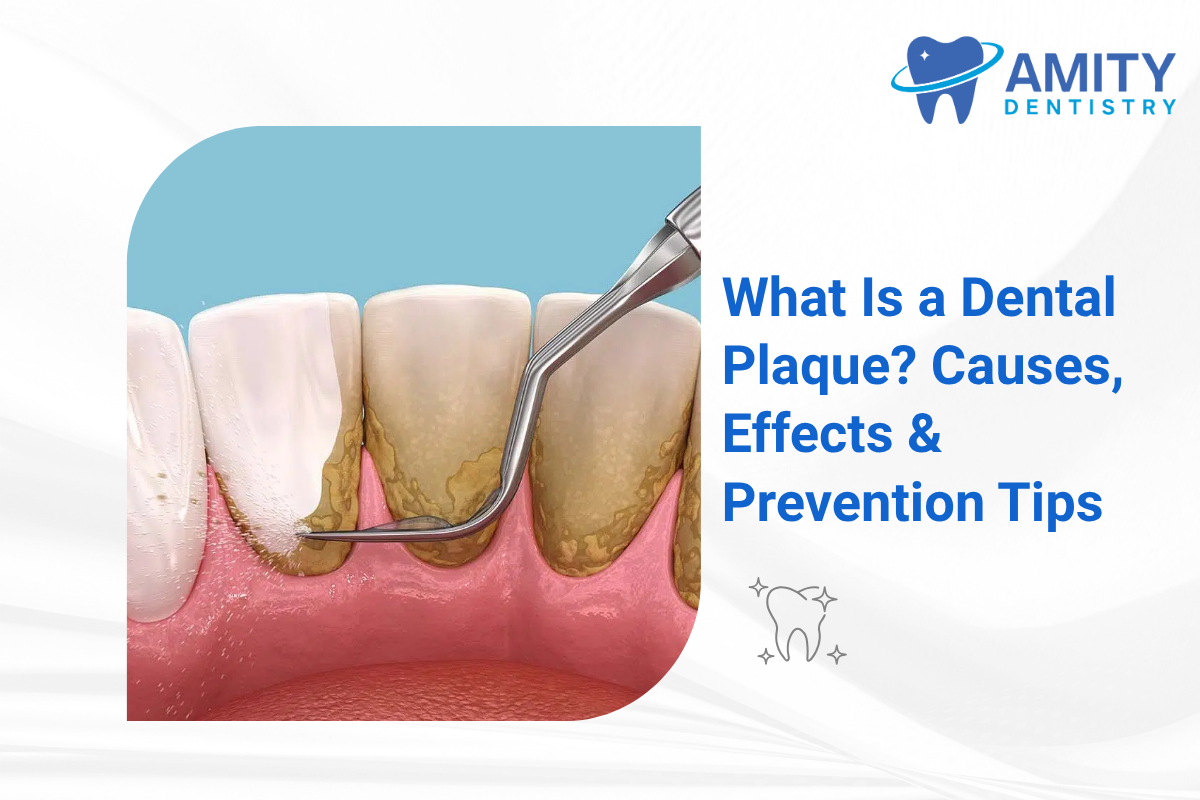
Dental plaque is a soft, sticky, and colorless film of bacteria. It forms on your teeth
and along your gumline every day. This film is a living biofilm, a community of
bacteria that thrives in your mouth.
Plaque forms when bacteria mix with the foods you eat. This is especially true for
foods that contain carbohydrates, like sugars and starches. When you eat a piece of
bread, drink a soft drink, or have a sugary snack, the bacteria in your mouth feed on
these sugars. As they feed, they produce acids and other toxins.
These bacteria and their byproducts stick to your tooth surfaces, creating the film
you know as plaque. You cannot stop plaque from forming. It is a constant, natural
process. The goal of good oral health is to control the plaque. You must remove it
consistently and effectively every single day.
If plaque is not removed, it begins to damage your teeth and gums. The acids
produced by plaque bacteria are the direct cause of tooth decay. These acids eat
away at your tooth’s hard outer layer, the enamel. This is how cavities form. When
plaque stays on your teeth at the gumline, it begins a different kind of attack. It
attacks your gums.
How Plaque Becomes Tartar
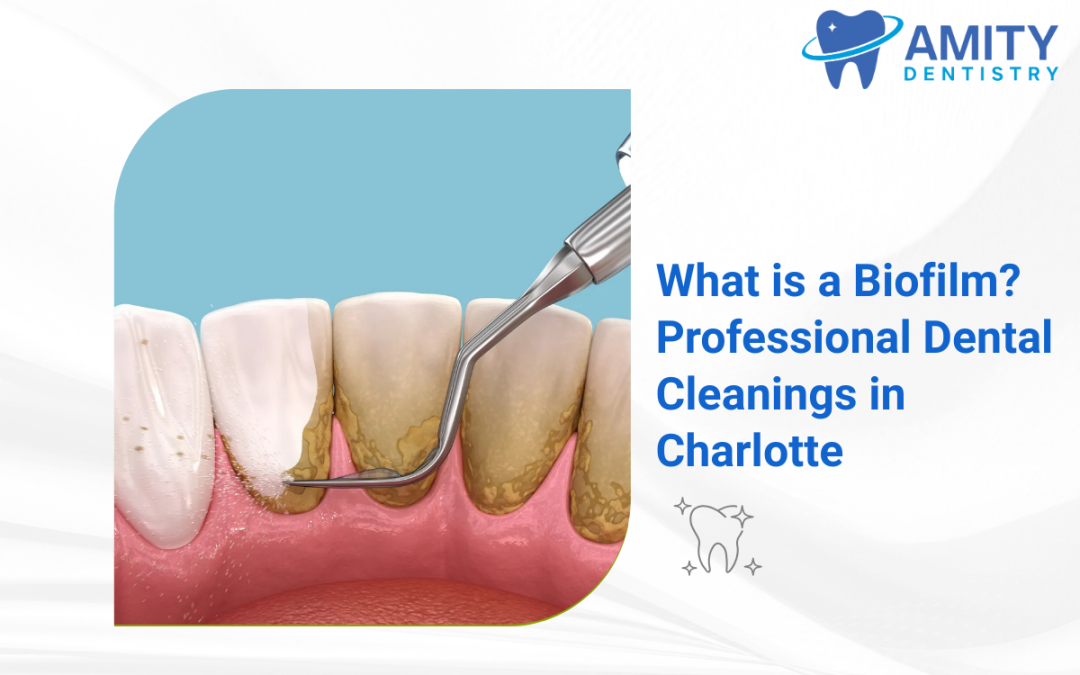
When plaque is allowed to sit on your teeth for too long, it changes. The minerals in
your saliva, like calcium and phosphate, begin to mix with the plaque film. This
mixture causes the plaque to harden. This hardened, calcified plaque is called tartar,
or dental calculus.
This hardening process can begin in as little as 24 to 48 hours. Tartar is very
different from plaque. The plaque is soft and can be removed with your toothbrush
and floss. Tartar is hard, rough, and crusty. It bonds strongly to your tooth enamel.
You cannot remove tartar at home with brushing or flossing.
Tartar creates two major problems. First, its rough surface provides more area for
new plaque to stick to. This makes it even harder for you to keep your teeth clean. It
is like a reef that allows more bacteria to grow.
Second, tartar is a constant irritant to your gum tissue. Both plaque and the tartar it
becomes are full of harmful bacteria. These bacteria release toxins that inflame and
damage your gums. This inflammation is the start of gum disease.
What Is Gingivitis?
Gingivitis is the earliest and mildest stage of gum disease. The name is simple:
“gingiva” is the medical term for your gums, and “-itis” means inflammation.
Gingivitis is, quite simply, inflammation of the gums.
This inflammation is your body’s direct response to the toxins produced by the
bacteria in plaque and tartar. When plaque builds up along the gumline, your
immune system tries to fight the infection. It sends extra blood to the area. This
immune response is what causes the symptoms of gingivitis.
The most important thing to know about gingivitis is that it is completely reversible.
At this early stage, the infection has only affected the soft gum tissue. It has not yet
attacked the underlying bone or the ligaments that hold your teeth in place. With
proper treatment, you can reverse the inflammation and restore your gums to
perfect health.
How to Spot the Signs of Gingivitis
Gingivitis is often painless. This is why it is so dangerous. Many people have it and
do not know it. You must know the warning signs to look for.
The most common signs of gingivitis include:
Red, Swollen Gums
Healthy gums are pale pink and firm. Gums that are dark red, purple, or puffy are
inflamed.
Bleeding Gums
This is the most common sign. Your gums should never bleed when you brush or
floss. If you see blood in the sink, that is a clear sign of inflammation. Many people
mistakenly stop flossing when they see blood. This is the worst thing to do. It means
you need to be more thorough.
Tender or Sore Gums
Your gums might feel sensitive when you touch them or when you chew.
Persistent Bad Breath
The bacteria in plaque produce foul-smelling waste products. This can cause
persistent bad breath, also called halitosis, that does not go away even after
brushing.
If you notice any of these symptoms, you should take them seriously. They are your
body’s warning sign that your gums are infected. Do not ignore them.
Why You Must Treat Gingivitis
It is easy to dismiss gingivitis. You might think a little bleeding from your gums is
normal. It is not. Untreated gingivitis does not go away on its own. It progresses into
a much more serious condition.
If you do not remove the plaque and tartar causing the inflammation, the infection
will spread. The inflamed gums will start to pull away from the teeth. This creates
small spaces between the teeth and gums. These spaces are called periodontal
pockets.
These pockets are a serious problem. They are too deep to clean with a toothbrush
or floss. Plaque and tartar become trapped inside them. The infection now has a
protected place to grow, safe from your home care.
The bacteria in these pockets move deeper. The toxins they produce begin to
destroy the tissues and bone that support your teeth. This advanced, destructive
stage of gum disease is called periodontitis.
Periodontitis is not reversible. It causes permanent damage. The bone loss and
tissue destruction can cause your teeth to become loose. They may shift or, in the
worst cases, fall out. Periodontitis is a primary cause of tooth loss in adults.
The only way to prevent this permanent damage is to stop the disease at the
gingivitis stage. Treating gingivitis early is your best and only defense.
How to Prevent Plaque and Gingivitis
You have the power to prevent gingivitis. Prevention involves two key parts:
excellent home care and regular professional cleanings.
Your daily habits are your first line of defense. Here are some steps you can take to
prevent plaque and gingivitis:
Brush Correctly
You must brush your teeth at least twice a day, for two full minutes each time. Use a
soft-bristled toothbrush and fluoride toothpaste. Pay special attention to the
gumline. Angle your brush at 45 degrees toward your gums. Use gentle, circular
motions to clean the front, back, and chewing surfaces of every tooth.
Floss Every Day
This is a step you cannot skip. Flossing is the only way to remove plaque from
between your teeth and just under the gumline. Your toothbrush cannot reach these
areas. If you do not floss, you are leaving about 35 percent of your tooth surfaces
uncleaned. Gently guide the floss between your teeth. Curve it in a “C” shape
against each tooth and move it up and down.
Consider Mouthwash
An antiseptic or anti-plaque mouthwash can be a helpful addition. It can help reduce
the amount of bacteria in your mouth. It is not a replacement for brushing and
flossing.
Watch Your Diet
The bacteria in plaque feed on sugar. Every time you eat a sugary or starchy food,
you are feeding the plaque. Limit your intake of soft drinks, candy, pastries, and
processed foods. When you do have a snack, try to rinse your mouth with water
afterward. Eating a healthy diet rich in vegetables and fruits supports your overall
health, including your oral health.
Do Not Smoke
Smoking and tobacco use are major risk factors for gum disease. Smoking weakens
your immune system. This makes it harder for your body to fight off a gum infection.
It also slows down healing. Smokers have a much higher risk of developing severe
gum disease. Quitting smoking is a powerful step toward improving your gum health.
How a Professional Dental Cleaning Protects You
Even if you are a perfect brusher and flosser, you cannot remove all plaque. Some
areas are simply hard to reach. Once plaque hardens into tartar, you cannot remove
it yourself. This is why regular professional cleanings are essential.
A dental cleaning at your dentist’s office is the only way to remove tartar. At Amity
Dentist in Pineville, we believe in proactive, preventive care. A routine dental
cleaning every six months is the cornerstone of this philosophy.
These appointments allow us to stop gingivitis in its tracks. We can reverse the
inflammation and keep your gums healthy. This simple, painless visit protects your
smile from the serious, long-term damage of gum disease.
Do not wait for your gums to bleed. Be proactive about your oral health. Your smile
is worth it. Your smile deserves professional care in Charlotte. Contact us at 980 -423-1244 for expert treatment and Book Now.